A sudden water-bill increase may be caused by heavier household use, a longer billing period, a rate or fee change, irrigation, a running toilet, a leaking fixture, or a hidden pipe leak. Begin by comparing the amount of water used with previous bills, not just the amount owed.
When usage has increased without an obvious explanation, check for fixtures that run intermittently, visible moisture, unusual water sounds, pressure changes, and water use recorded when everything should be off. These signs may indicate that it is time to arrange professional leak detection and repair.
Does a Higher Water Bill Always Mean You Have a Leak?
No. A higher bill does not automatically prove that your plumbing is leaking.
Your total can increase because you used more water, but it can also change because of:
- A longer billing cycle
- New water or wastewater rates
- Added fees
- An estimated or corrected meter reading
- More people staying in the home
- Additional laundry, bathing, or cleaning
- Lawn irrigation
- Filling or topping off a swimming pool
- Outdoor cleaning
- Construction or remodeling activity
The first question is not simply, “How much is the bill?” It is, “Did the amount of water used increase?”
The EPA recommends reviewing water bills and usage history as part of identifying possible household leaks. Some bills also compare current consumption with previous periods or similar households, although the information provided varies among utilities.
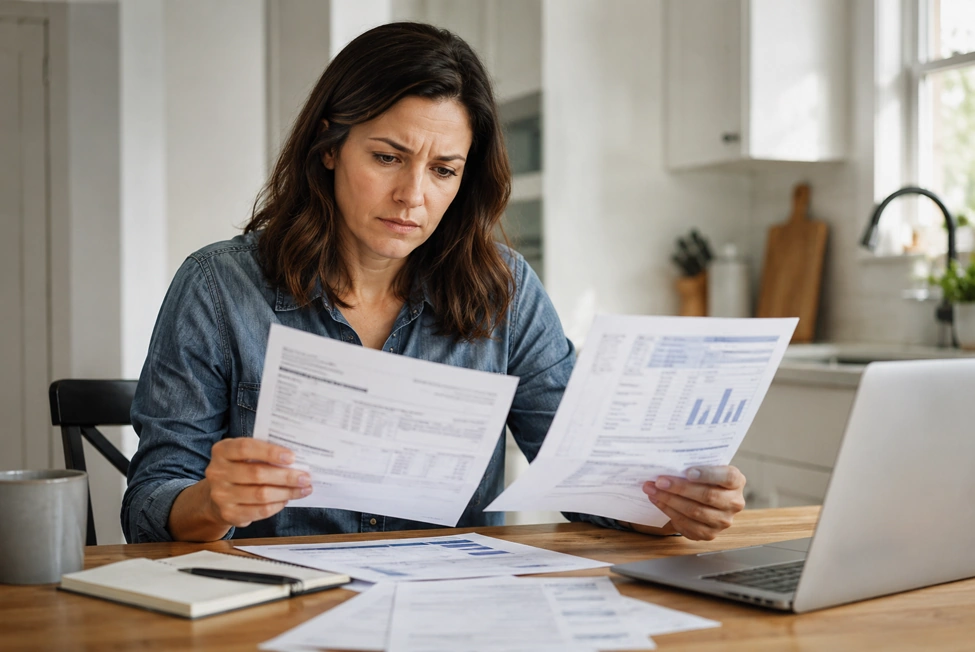
Compare usage instead of comparing only the total
Find the section of the bill that shows gallons, thousands of gallons, or another unit of water consumption. Compare it with:
- The previous month
- The same period last year
- Your household’s typical seasonal use
- The number of days included in each billing cycle
A higher charge with similar consumption may point toward a rate, fee, or billing issue. A significant increase in the amount of water recorded suggests that something on the property may have used more water.
Think about what changed during that billing period
Before assuming that a pipe is leaking, consider whether anything changed at the property.
Did you have overnight guests? Did lawn watering increase? Was the pool filled? Was the home cleaned before an event? Was new landscaping installed? Did someone begin working from home?
These changes may explain the increase. When nothing appears different, plumbing fixtures and hidden water lines deserve closer attention.
Which Plumbing Problems Can Increase a Water Bill?
Common plumbing-related causes include:
- A toilet that runs continuously or intermittently
- A dripping faucet, shower valve, or outdoor hose bib
- A leak beneath a sink
- A leaking water-heater connection
- A damaged appliance water line
- An outdoor or underground water-line leak
- A concealed pipe leak inside a wall, ceiling, or floor
Household leaks can add substantial unnecessary water use over time. The EPA identifies worn toilet flappers, dripping faucets, leaking showerheads, valves, irrigation equipment, and other household components as common sources of water loss.
A toilet that keeps running
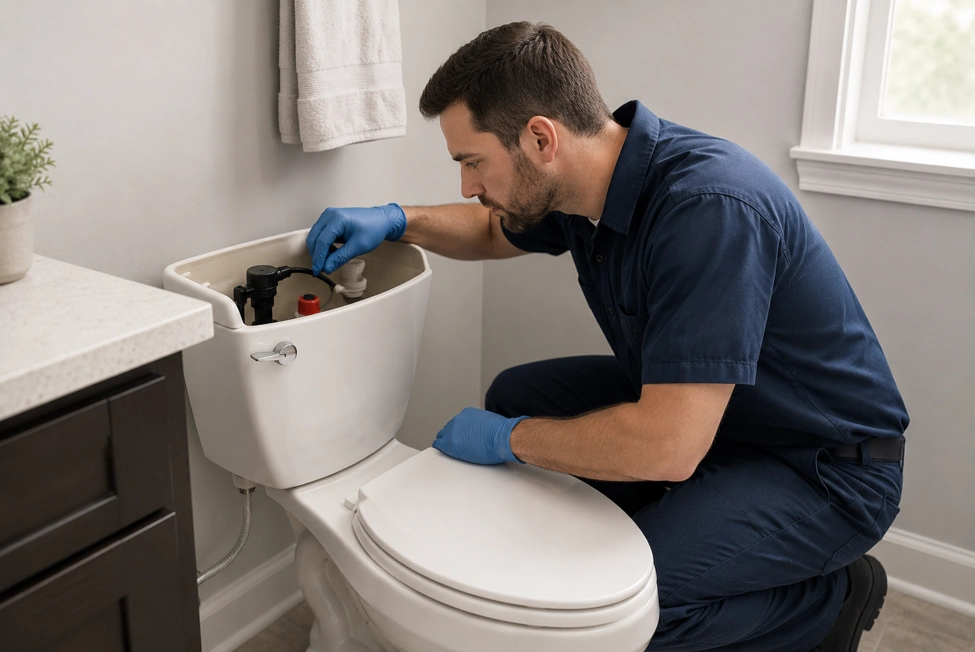
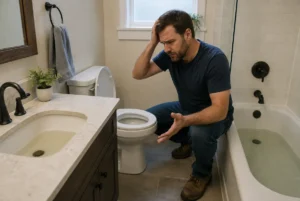
A running toilet is easy to notice when it makes noise continuously. Intermittent toilet leaks can be harder to recognize.
Warning signs include:
- The toilet refills when no one has flushed it
- Water can be heard moving between flushes
- The handle must be adjusted to stop the water
- The bowl appears to ripple slightly
- The toilet runs for an unusually long time after flushing
A toilet can lose water internally without creating a puddle on the floor. When the problem continues, arrange for faucet, sink, and toilet repair rather than allowing it to continue through another billing cycle.
A dripping faucet, shower, or outdoor hose bib
A slow drip may not appear serious, but continuous water loss adds up across days and weeks.
Check fixtures throughout the property, including:
- Kitchen faucets
- Bathroom faucets
- Bathtub and shower fixtures
- Utility sinks
- Outdoor faucets
- Hose connections
Look beneath sinks and inside cabinets as well. A fixture may leak at a valve or supply connection instead of dripping from the spout.
A leak behind an appliance
Water-using appliances and equipment depend on supply lines, valves, drains, and plumbing connections. Moisture may appear behind or beneath:
- Refrigerators
- Washing machines
- Dishwashers
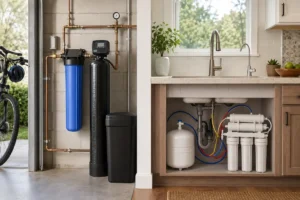
- Water-filtration equipment
Fisher Family Plumbing should only be presented as servicing the plumbing connection, valve, or water line unless appliance repair is separately confirmed.
Look for damp flooring, swollen cabinet material, discoloration, corrosion, or a musty smell. Do not move heavy appliances or reach near electrical connections when water is present.
A leaking water heater or connection
Water may escape from the tank, a nearby valve, a supply connection, or another part of the installation.
Possible warning signs include:
- Moisture around the water heater
- Water in the drain pan
- Corrosion near a connection
- Damp flooring around the unit
- Repeated unexplained water near the equipment
Water heaters can contain hot water under pressure and may use gas or electricity. Avoid dismantling components or attempting repairs without appropriate training. Fisher Family Plumbing provides water-heater installation and residential plumbing services, but repair and maintenance capabilities should be verified before they are promoted in this article.
Outdoor plumbing or irrigation leaks
Outdoor leaks do not always cause visible damage inside the home.
Look for:
- Persistently wet soil
- Unexplained pooling
- An unusually green area of grass
- Water flowing near an outdoor faucet
- A hose connection that continues dripping
- Irrigation running outside its normal schedule
A plumbing company may handle a home’s water-supply piping while irrigation-system repairs may require a separate irrigation professional. The responsible service provider depends on where the problem is located.
A hidden pipe or underground water-line leak
A concealed leak may occur behind a wall, above a ceiling, beneath flooring, or in a buried water line. These problems do not always create an immediate pool of water.
Possible signs include:
- Water stains on walls or ceilings
- Damp cabinets, flooring, or baseboards
- A musty area that does not dry
- Water sounds when fixtures are off
- An unexpected pressure change
- Warm or damp areas on the floor
- Wet areas outside during dry weather
- Ongoing water use without a known cause
No single sign proves that a home has a slab leak or identifies the exact location. Professional testing may be needed to narrow down the source before a repair is recommended.
How Can You Check for Unexplained Water Use?
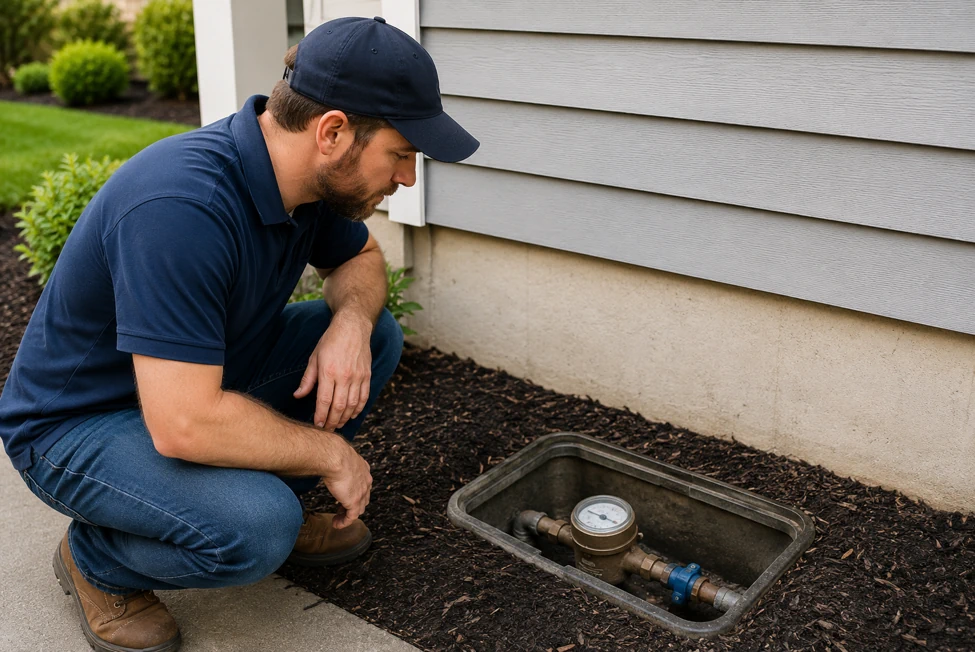
A limited meter observation may help determine whether water is moving through the property while no known fixture or appliance should be using it.
Use this safe observational process
- Turn off faucets, showers, and other manually operated fixtures.
- Make sure no one flushes a toilet or uses water during the observation.
- Check whether irrigation, pool equipment, an ice maker, a water-treatment cycle, or another automatic device may run.
- Note the meter reading or visible usage indicator without opening, dismantling, or altering utility-owned equipment.
- Wait without using water.
- Check whether additional use was recorded.
Unexplained meter activity suggests that water may still be moving somewhere on the property, but it does not identify the source by itself.
Contact the water provider if the meter or account information appears incorrect. Contact a plumber when continued use appears to originate from fixtures or privately owned piping.
What can make a meter check misleading?
Several systems may use water automatically, including:
- Ice makers
- Toilets that refill intermittently
- Irrigation timers
- Pool-filling equipment
- Water-treatment equipment
- Humidifiers
- Appliances with automatic cycles
Confirm that these systems are inactive before interpreting the meter observation. Do not touch, open, or modify the meter.
Should You Call the Water Provider or a Plumber?
The right call depends on what the bill and the property are showing.
Contact the water provider when:
- The total charge increased but usage did not
- The bill contains an estimated reading
- The billing period appears unusually long
- You see an unfamiliar fee
- You believe an account or meter-reading error occurred
- You want to ask about a high-use alert
- You want to learn whether a leak adjustment is available
For billing questions, the City of Houston advises customers to begin by contacting their service provider. Spring-area homes may be served by different utilities or municipal utility districts, so use the contact information shown on your own bill.
Contact a plumber when:
- Water use increased without an understandable change
- A toilet runs or refills unexpectedly
- A fixture continues to drip
- Moisture appears near a pipe or connection
- Walls, ceilings, flooring, or cabinets are damp
- Water can be heard when fixtures are off
- The property has an unexplained pressure change
- Meter activity continues with known water uses stopped
- You cannot locate the source
A professional evaluation is particularly important when the possible leak is concealed or appears to involve a supply line rather than an accessible fixture.
What Records Should You Keep After a Leak Is Repaired?
Keep documentation even when you do not yet know whether your water provider offers an adjustment.
Useful records include:
- The plumbing invoice
- The date the problem was discovered
- The repair date
- Photographs of visible damage or the failed component
- A description of the repair
- The high bill
- Bills from before and after the repair
- Emails or letters from the utility
The City of Houston currently has a leak-adjustment process for eligible water loss caused by certain defects in a customer’s water line. That policy does not automatically apply to every Fisher Family Plumbing customer, and eligibility depends on the customer’s utility and circumstances.
Ask the provider listed on your bill about its rules, deadlines, and documentation requirements.
When Is a Possible Leak Urgent?
A high bill by itself is not necessarily an emergency. The physical conditions at the property determine how quickly action is needed.
Request prompt plumbing help when you notice:
- Active flooding
- A burst or visibly damaged pipe
- Rapidly spreading water
- A ceiling that is sagging or holding water
- Water near electrical equipment
- Sewage entering the building
- A major loss of water pressure combined with signs of leakage
- Water that cannot be controlled safely
When it is safe to do so, stop the affected fixture or shut off the appropriate water supply. Keep away from water near electrical systems and do not enter an unsafe area.
Fisher Family Plumbing lists major leaks, burst pipes, overflows, and other urgent problems among its emergency plumbing services. Current after-hours dispatch availability and response times should be confirmed directly rather than assumed from website wording.
What Happens During Professional Leak Detection?
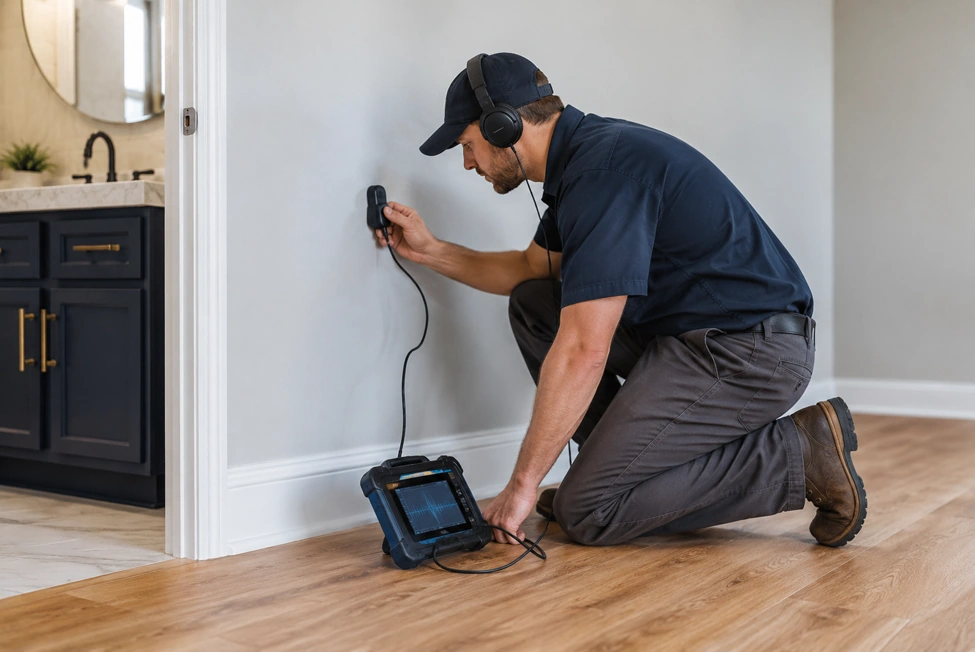
The exact process depends on the symptoms and suspected location. A plumbing evaluation may include:
- Reviewing when the increase began
- Comparing the bill with reported household changes
- Inspecting accessible fixtures and connections
- Checking toilets and visible supply lines
- Isolating possible water-use sources
- Evaluating pressure or system behavior when appropriate
- Narrowing down the likely source
- Explaining repair options
A plumber should identify the likely problem before recommending a larger repair. Not every high bill indicates that walls or flooring need to be opened, and not every concealed leak is beneath the slab.
Fisher Family Plumbing’s residential service information includes leak detection and repair, fixture service, pipe work, and emergency plumbing for Spring-area homeowners.
How Can You Reduce the Risk of Another Surprise Bill?
You cannot prevent every plumbing failure, but regular observation can help catch some problems sooner.
Pay attention to:
- Unexplained changes in monthly water use
- Toilets that run between flushes
- Faucets or hose bibs that drip
- Moisture beneath sinks
- Water near appliances or the water heater
- New stains or damp areas
- Unusual water sounds
- Unexpected pressure changes
Reviewing usage regularly matters because some leaks remain unnoticed until the bill changes. The EPA recommends checking household plumbing and water-use information periodically rather than waiting for obvious property damage.
For additional guidance, review these preventive plumbing checks and address recurring symptoms before they become larger problems.
Schedule Leak Detection in Spring, Texas
An unexplained high water bill deserves a closer look when normal household use does not explain the increase.
Fisher Family Plumbing provides residential plumbing services for homeowners in Spring and surrounding North Houston communities. The company’s website identifies leak detection, fixture repair, pipe service, drain service, water heaters, and other residential plumbing solutions among its offerings.
Call (832) 844-7200 or request a quote and schedule a consultation to discuss unexplained water use and the plumbing symptoms you have noticed.
Frequently Asked Questions
Can a running toilet raise my water bill without making much noise?
Yes. A toilet may leak internally or refill intermittently without creating a visible puddle. Listen for unexpected refilling, water movement between flushes, or a toilet that runs longer than usual. The EPA identifies worn toilet components as a common source of household water loss.
Can a hidden leak increase my bill without causing visible damage?
Yes. Water may escape from an underground line or concealed pipe before stains, dampness, or other visible symptoms appear. Continued meter activity when all known water uses are off can be a reason to investigate further, but it does not identify the exact source.
Should I call the water provider or a plumber first?
Contact the water provider when the concern involves rates, fees, an estimated reading, the length of the billing period, or suspected account errors. Contact a plumber when recorded water use has increased and you notice running fixtures, moisture, water sounds, pressure changes, or unexplained meter activity. Some situations require contacting both.
What should I have ready when I call a plumber?
Have the current bill and, when possible, one or two previous bills available. Explain when the increase began, how much usage changed, whether the meter records unexplained use, and whether you have noticed dripping, running toilets, moisture, stains, sounds, or pressure changes.
Can my water provider adjust the bill after a leak is repaired?
Possibly. Adjustment policies, deadlines, qualifications, and required documents vary by utility. Save invoices, repair dates, photographs, and related bills, then contact the provider listed on your account. The City of Houston has a leak-adjustment process for certain eligible customers, but it does not apply universally throughout the Spring area.
External Sources
U.S. Environmental Protection Agency WaterSense
Understanding Your Water Bill
https://www.epa.gov/watersense/understanding-your-water-bill
Used to verify guidance about reviewing consumption, usage history, and information commonly found on water bills.
Fix a Leak Week
https://www.epa.gov/watersense/fix-leak-week
Used to verify that household plumbing leaks contribute to unnecessary water use and may be found inside or outside the home.
WaterSense Statistics and Facts
https://www.epa.gov/watersense/statistics-and-facts
Used to verify national household water-loss information and the significance of recurring leaks.
WaterSense Start Saving
https://www.epa.gov/watersense/start-saving
Used to verify general recommendations for monitoring fixtures, plumbing, and water use.
City of Houston
Water and Wastewater Adjustment Request
https://www.houstonwaterbills.houstontx.gov/ProdDP/Billing/AccountBasedServiceRequest/UniversalAdjustmentRequest
Used as a local example of a utility leak-adjustment process. The article clearly notes that other providers may have different rules.
Utility Complaint Guidance
https://www.houstontx.gov/ara/utility/register-a-complaint.html
Used to verify the recommendation that customers begin billing inquiries by contacting their utility provider.