Burst pipes can fill your house within a few minutes and destroy the walls, floors, furniture and your electrical systems. It can be due to low temperatures, excessive pressure in the water, corrosion or old age of the pipes, but immediate action is very important. Educating people on what to do directly in the event of a Burst Pipe Emergency: What to Do Before the Plumber Arrives can greatly lessen the destruction of structures and the expense of repairing them.
Water disperses quickly hence your initial few steps are the most crucial.
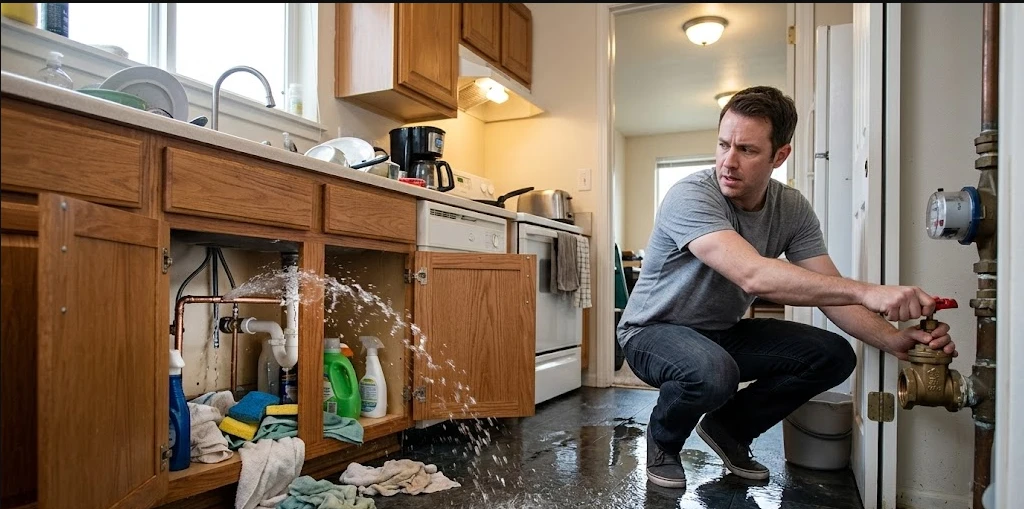
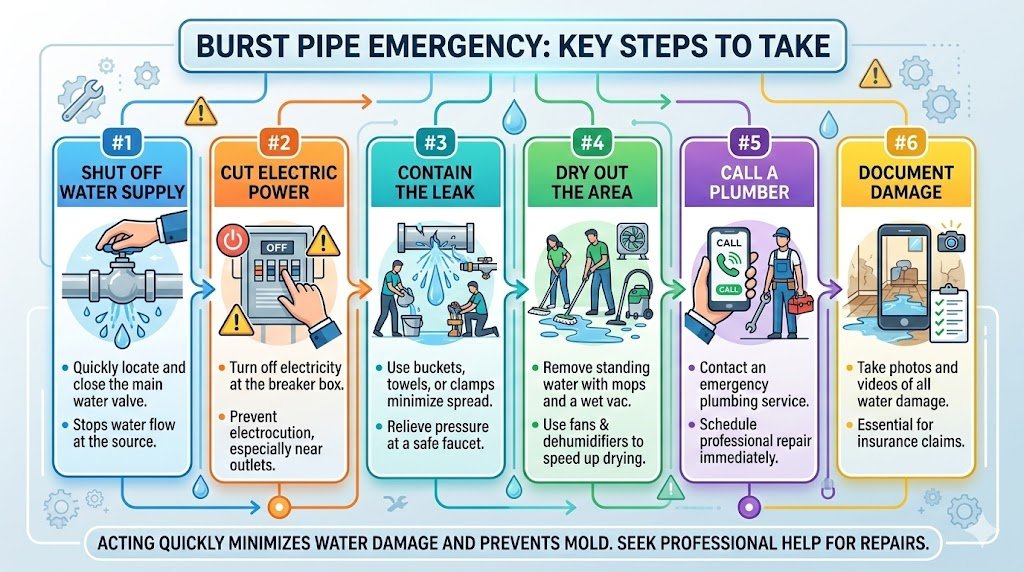
When a pipe bursts, the very first thing you should do is turn off your home’s main water supply. This is the fastest way to stop additional water from rushing into your home and causing further damage to walls, flooring, furniture, and electrical systems.
The sooner you shut off the water, the better chance you have of minimizing costly repairs while waiting for an emergency plumber to arrive.
To locate your home’s main water shutoff valve, check common areas such as:
Near the water meter
Inside the garage
In the basement
Along an exterior wall
Once you find the valve, turn it fully to the off position. Taking this step immediately can help slow the spread of water and protect your home from more severe flood damage.
For homeowners, it is a good idea to know where this valve is located before an emergency happens. In a burst pipe situation, every second counts.
If a burst pipe is causing water to spread near outlets, appliances, light switches, or your home’s electrical panel, it may be necessary to shut off the power to reduce the risk of electrical shock. Water and electricity can be extremely dangerous together, so this step should only be taken if it can be done safely.
Before approaching the breaker box, make sure you do not have to walk through standing water or wet flooring to reach it. If the area is unsafe, do not attempt to shut off the power yourself.
Keep these safety tips in mind:
Turn off electricity at the main breaker if water is near outlets, appliances, or the electrical panel.
Never stand in water while touching the breaker box or operating any switches.
Avoid using electrical appliances in any area affected by flooding.
During a burst pipe emergency, protecting yourself is just as important as protecting your home. If there is any question about whether it is safe to access the breaker box, leave the area and call for professional help right away.
Once the main water supply has been turned off, it is important to remove any remaining water from your plumbing system. This helps relieve pressure in the pipes and may reduce the amount of water continuing to leak from the damaged area.
To help drain the system:
Open all cold water faucets first
Open hot water faucets next
Flush toilets to empty the tanks
This process helps remove trapped water, reduces internal pipe pressure, and can limit further water damage while you wait for emergency plumbing service.
If the area is safe and accessible, try to determine where the burst pipe is located. Finding the source of the leak can help you explain the issue more clearly to your plumber and may help speed up the repair process.
Burst pipes are commonly found:
Under sinks
Behind walls
In attics
Near water heaters
On exposed outdoor pipes
If you can clearly see the damaged section, you may be able to temporarily manage the leak until a plumbing professional arrives. Do not attempt extensive repairs yourself, especially if the pipe is hidden, difficult to access, or located near electrical systems.
After shutting off the main water supply, take steps to stop water from spreading into other parts of the home. Even a small amount of standing water can lead to damage if it is left untreated.
Helpful ways to contain water include:
Placing buckets under active leaks
Using towels or mops to absorb water
Covering furniture with plastic sheeting
Using fans to improve ventilation and drying
Fast containment can help reduce damage to flooring, drywall, furniture, and nearby surfaces while you wait for a professional plumber to arrive.
As soon as it is safe, remove valuable items from the affected area and keep them away from standing water. This can help reduce property damage and protect personal belongings during the emergency.
Focus on items such as:
Electronics
Important papers and documents
Rugs and carpets
Wood furniture
Artwork or sentimental items
If certain items are too heavy to move, try elevating them with blocks or other supports to keep them above the waterline. Taking these steps early can make a big difference in protecting your home and belongings.
Once the immediate water flow has been stopped and the area is under control, begin drying everything as quickly as possible. Moisture left behind after a burst pipe can lead to mold growth, unpleasant odors, and additional structural damage in as little as 24 to 48 hours.
Helpful drying steps include:
Opening windows when the weather is favorable
Using fans and dehumidifiers to improve airflow
Removing wet rugs and other damp materials
Wiping down affected walls, floors, and surfaces
Quick drying can help prevent further damage and reduce the chance of mold developing in the affected area.
Before completing major cleanup, take clear photos and videos of all affected areas. This documentation can be valuable for insurance purposes and can also help your plumber or restoration team understand the full extent of the damage.
Make sure to capture:
Water-damaged walls
Wet or damaged flooring
Ceiling stains or discoloration
Damaged furniture or belongings
Any visible signs of the burst pipe
Keeping a detailed record of the damage can make the claims and repair process much smoother.
If you can clearly see the damaged pipe and safely reach it, a temporary repair may help slow the leak while you wait for emergency plumbing service. This can be useful for reducing additional water damage, especially when the leak cannot be fully contained otherwise.
Common temporary solutions include:
Pipe repair clamps
Rubber patch kits with hose clamps
Waterproof repair tape
Epoxy putty designed for plumbing emergencies
Keep in mind that these are only short-term fixes. They are not intended to replace a professional plumbing repair. Once the situation is under control, a licensed plumber should inspect the pipe and complete the proper repair as soon as possible.

Understanding what causes pipes to burst can help homeowners take steps to prevent future plumbing emergencies. While burst pipes can happen suddenly, they are often the result of ongoing stress within the plumbing system.
Some of the most common causes of burst pipes include:
Freezing temperatures
Excessive water pressure
Corrosion in older pipes
Clogs or obstructions that create pressure buildup
Foundation shifting or pipe movement
Routine plumbing inspections and preventive maintenance can help identify these issues early and reduce the risk of a burst pipe emergency.
In some situations, a burst pipe requires immediate professional help. While there are steps you can take to reduce damage, certain conditions make it important to call a licensed emergency plumber right away.
You should contact a plumber immediately if:
You cannot shut off the water supply
Flooding is spreading quickly through the home
The burst pipe involves sewage or contaminated water
Structural damage appears severe
There is any risk of electrical danger
A prompt professional response can help protect your home, prevent additional damage, and ensure the problem is repaired safely and correctly.
Once the immediate emergency is under control, contact your insurance company as soon as possible. Proper documentation and fast reporting can make a major difference during the claims process.
Most insurance claims will benefit from:
Quick reporting
Clear photos and video evidence
Notes showing what mitigation steps were taken
Detailed records can help support your claim and show that you acted quickly to reduce further damage after the burst pipe occurred.
Fisher Family Plumbing provides dependable plumbing solutions backed by experience, quality workmanship, and a commitment to customer care. From routine plumbing maintenance to emergency repairs and new installations, their team is focused on delivering reliable service that helps keep your home running smoothly.
With honest communication and professional results, Fisher Family Plumbing makes it easier to handle plumbing issues with confidence. For trusted service and expert support, visit Fisher Family Plumbing to learn more about how they can help.
Once a burst pipe has been repaired, it is a good time to focus on prevention. Taking a few proactive steps can help lower the chances of dealing with another plumbing emergency in the future.
Recommended prevention steps include:
Insulating exposed or vulnerable pipes
Keeping indoor temperatures consistent during colder months
Installing pressure regulators when needed
Replacing older plumbing components before they fail
Scheduling annual plumbing inspections
Preventive plumbing care can save homeowners money, reduce stress, and help avoid the extensive damage that burst pipes can cause.
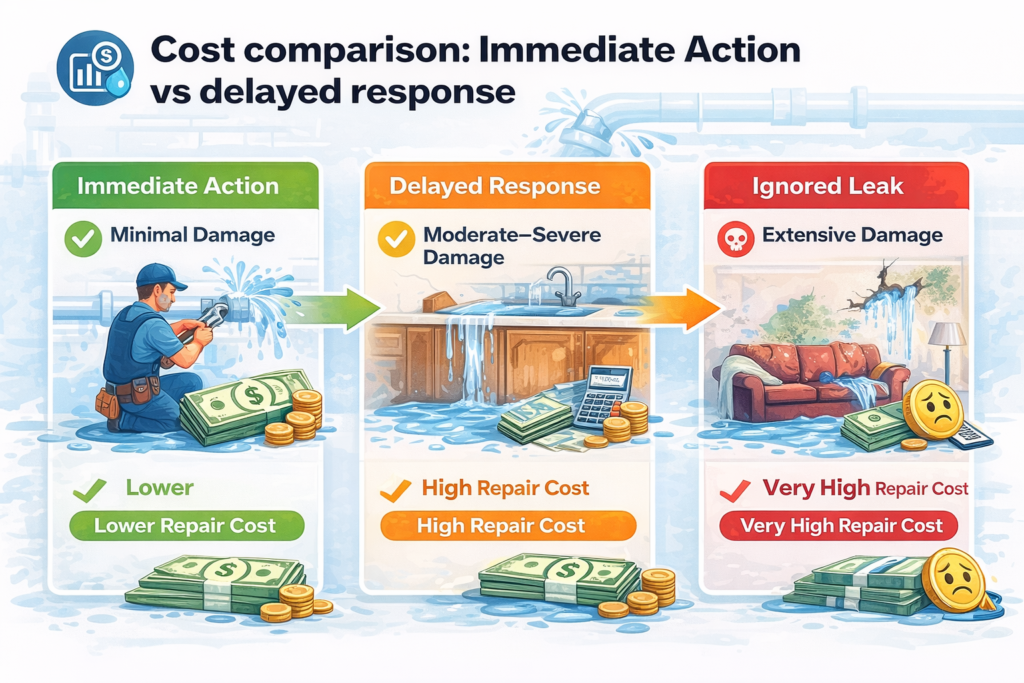
A burst pipe emergency can be stressful, but the right response can help limit damage and protect your home. Acting quickly before a plumber arrives can make a significant difference in reducing water intrusion, preventing additional problems, and lowering repair costs.
The most important early steps include shutting off the water supply, staying alert to electrical hazards, containing standing water, and starting the drying process as soon as it is safe. Temporary fixes may help in the moment, but lasting repairs should always be completed by a licensed plumbing professional.
With the right preparation and a prompt response, homeowners can better manage a burst pipe emergency and reduce the impact on their home and property.