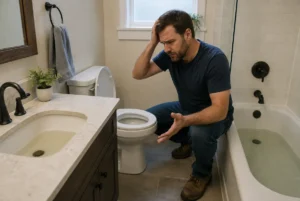
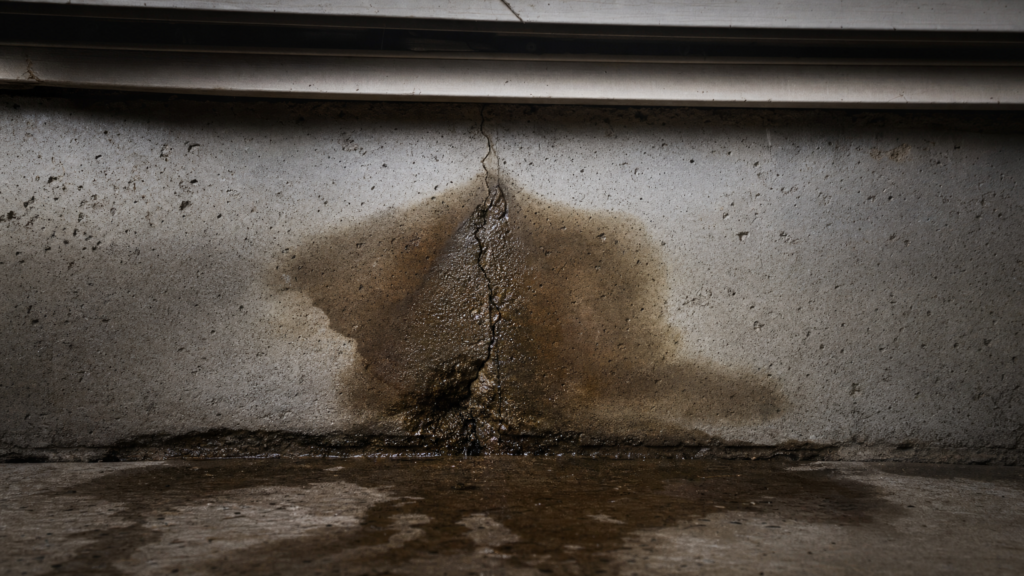
Slab leaks are one of the most serious plumbing problems a homeowner can face, and they’re more common in the Houston TX area than many people realize. The clay-heavy soil and temperature swings we experience in Spring TX and surrounding areas can place significant stress on the pipes running beneath a home’s concrete foundation. When those pipes develop a leak, the damage can escalate quickly if it goes undetected.
Knowing the warning signs of a slab leak can be the difference between a manageable repair and a major structural restoration project. Here’s what every homeowner in Spring TX, Porter TX, and the greater Houston area should be watching for.
What Is a Slab Leak and Why Do They Happen?
Most homes in the Houston TX metro area are built on a concrete slab foundation rather than a crawl space or basement. Water supply lines and drain lines often run through or directly beneath this slab. A slab leak occurs when one of these buried pipes develops a crack, hole, or joint failure and water begins escaping into or under the foundation.
Because the pipes are enclosed in concrete, you typically can’t see the leak itself. By the time visible symptoms appear above ground, the leak has often been going on for a while. Common causes include pipe corrosion, shifting soil, poor original installation, high water pressure, and the natural expansion and contraction of pipes over time. In our region, soil movement from seasonal moisture changes is a particularly significant factor.
Signs You May Have a Slab Leak
Because slab leaks are hidden, homeowners need to pay attention to indirect signs. These are the most common warning signals:
Unexplained Spike in Your Water Bill: If your usage hasn’t changed but your bill has increased significantly, water may be escaping somewhere in your system. A slab leak can waste thousands of gallons of water per month. Compare your current bill to the same period last year to identify any unusual increases.
Sound of Running Water When Nothing Is On: Turn off all faucets, appliances, and toilets in your home and then stand quietly in the hallway or near the floor. If you can hear water running or hissing somewhere beneath you, that’s a serious red flag.
Hot Spots on Your Floor: If a hot water line is leaking beneath your slab, the area of flooring above it may feel noticeably warm compared to surrounding areas. This is especially noticeable with tile or hardwood floors. Walk barefoot through your home periodically and pay attention to any unusual temperature variations underfoot.
Cracks in Walls or Flooring: Water leaking beneath your foundation can cause the slab to shift, which puts pressure on your walls and floors. New cracks in drywall, especially horizontal or diagonal cracks near the base of walls, can indicate foundation movement caused by a slab leak. Similarly, flooring that buckles, separates, or develops new soft spots warrants investigation.
Mold or Mildew Smell Without Visible Source: Persistent musty odors in your home, particularly near the floor, can indicate moisture accumulating somewhere it shouldn’t be. If you can’t identify a visible source like a bathroom or laundry area, consider having your slab lines inspected.
Low Water Pressure: A significant leak in your supply lines will naturally reduce the pressure available to your fixtures. If you’ve noticed a gradual drop in water pressure throughout your home that isn’t explained by municipal supply issues, a slab leak could be the culprit.
What to Do If You Suspect a Slab Leak
Do not ignore the warning signs. Slab leaks that go unaddressed long enough can cause foundation damage, mold growth inside your walls and subfloor, and in severe cases, structural instability in your home. The longer the leak runs, the more extensive and expensive the remediation becomes.
Your first step is to contact a licensed plumber who has experience with leak detection and slab repairs. Modern leak detection tools allow plumbers to locate the exact position of a slab leak using electronic listening equipment and pressure testing, without tearing up your entire floor. Once the leak is located, your plumber can recommend the appropriate repair approach, whether that’s spot repair, pipe rerouting, or pipe replacement.
If your home has older copper or galvanized pipes beneath the slab, it may be worth asking about a comprehensive assessment of your entire pipe system. If one section has failed, others in similar condition may not be far behind. Our team provides complete pipe replacement services for homes throughout Spring TX, Porter TX, and the Houston area when a full repipe is the most cost-effective long-term solution.
Preventing Slab Leak Damage
While you can’t always prevent a slab leak from developing, you can minimize damage by catching it early. Check your water meter periodically when all water in the home is shut off. If the meter is still moving, water is escaping somewhere. This simple check takes two minutes and can alert you to a problem long before symptoms become visible.
Also monitor your water pressure. Chronically high water pressure puts extra stress on all your pipes, including those beneath the slab. A pressure regulator set to the appropriate PSI for your system can extend the life of your plumbing considerably. If you have emergency plumbing needs or suspect an active slab leak, contact Fisher Family Plumbing right away.
Call Fisher Family Plumbing for Slab Leak Detection in Spring TX
If you’ve noticed any of the warning signs above, don’t wait to have it checked out. The team at Fisher Family Plumbing serves homeowners throughout Spring TX, Porter TX, The Woodlands, and the Houston TX metro area with professional slab leak detection and repair. We use non-invasive detection methods to pinpoint leaks accurately and protect your home from further damage. Call us today to schedule an inspection.